
WordPress SSL & HTTPS: Complete Setup Guide for 2026
Learn how to add SSL to WordPress with our complete guide covering certificate types, installation, HTTPS configuration, and mixed content fixes.

12 articles

Learn how to add SSL to WordPress with our complete guide covering certificate types, installation, HTTPS configuration, and mixed content fixes.

WordPress security breaches average $4.35M per incident. See real costs, business impact scenarios, and why prevention beats recovery by 10:1.

Complete guide to WordPress redirects: 301 vs 302, htaccess rules, nginx configs, regex patterns, and performance optimization for migrations and SEO.

A step-by-step guide to auditing your WordPress plugins — covering security vulnerabilities, performance impact testing, redundancy elimination, update strategies, and when to replace plugins with code.

AI WordPress monitoring catches problems before they cost you customers. Learn how intelligent monitoring differs from basic uptime checks and saves businesses money.

Most small business websites fail at basics like SSL, mobile optimization, and backups. This checklist reveals 15 costly mistakes and how to fix them.

Shared hosting kills WooCommerce sales with slow checkouts and downtime. Discover why managed hosting is essential for e-commerce revenue and customer retention.

Cheap WordPress hosting costs businesses thousands in lost revenue, downtime, and security issues. See the true ROI of quality managed hosting vs budget options.

Master WordPress accessibility with our WCAG 2.2 compliance guide. Learn accessible themes, plugin audits, screen reader testing, and legal requirements.

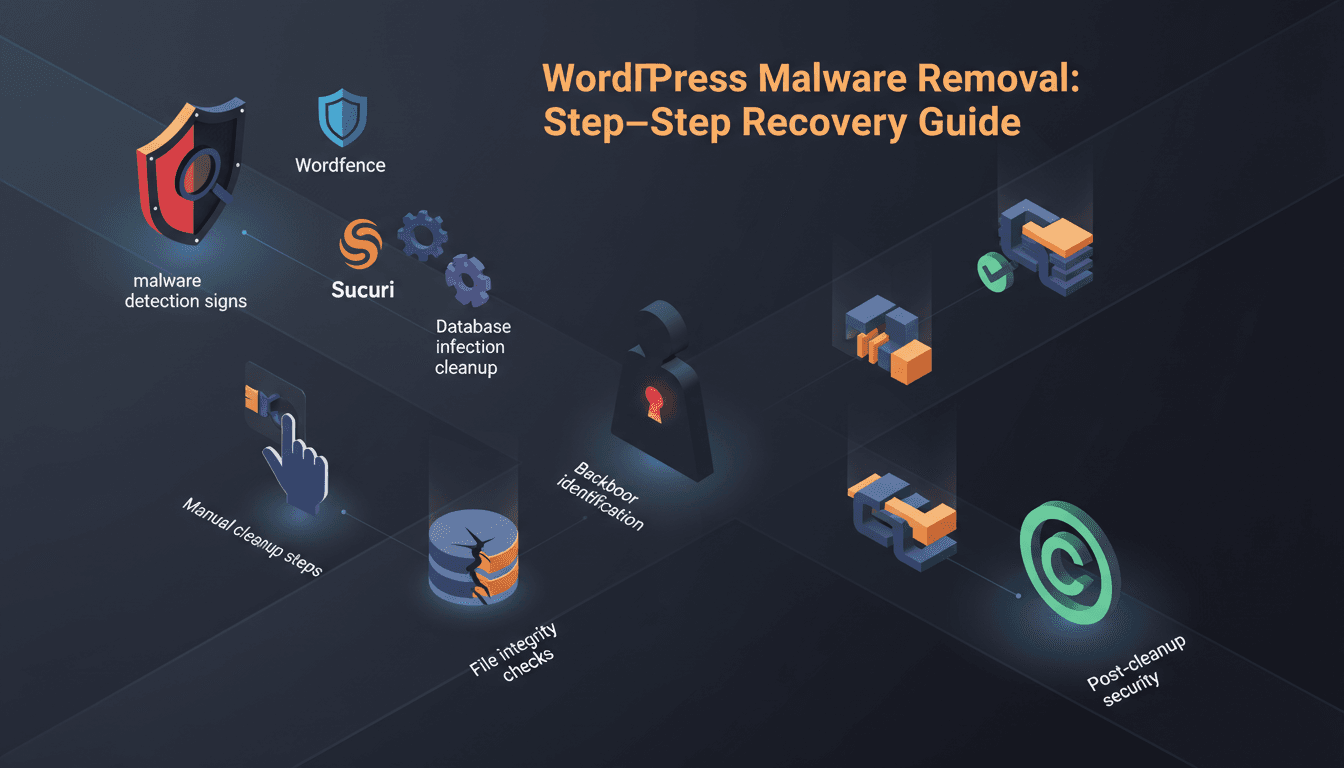
Complete guide to removing WordPress malware: detection signs, scanning tools, manual cleanup, database fixes, backdoor removal, and prevention strategies.

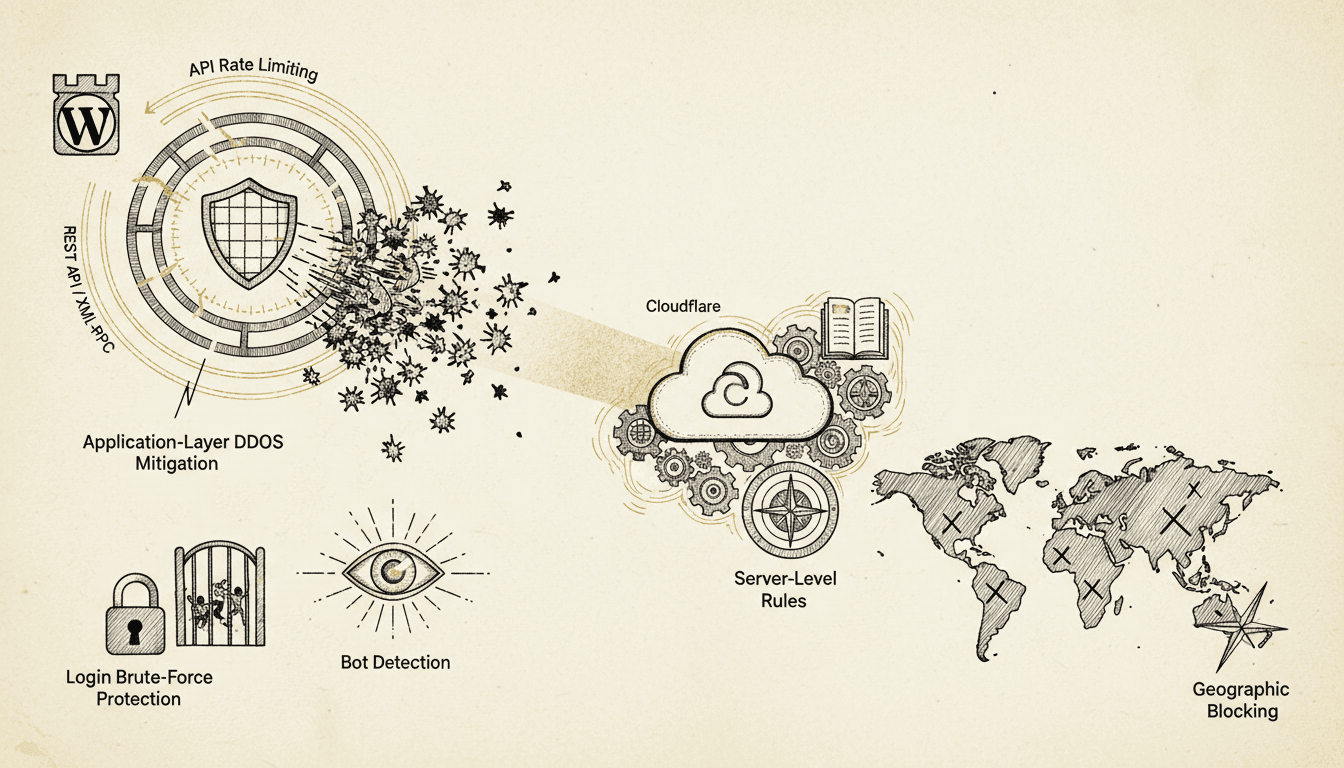
Complete guide to WordPress API rate limiting, DDoS protection, and security hardening. Includes REST API limits, WAF setup, and bot detection strategies.

A complete guide to hardening WordPress security — covering brute-force protection, plugin vulnerabilities, SSL, WAF configuration, and real-time monitoring to prevent the most common attacks.